Questions people ask · Body and family
What did Jesus say about gay and transgender people?
I never said a word about two men or two women. I did speak once about eunuchs, people whose bodies or lives did not fit the usual pattern of husband and wife. I said some were born that way.
At a Glance
What I said: Nothing about same-sex love or relationships. On marriage, I quoted Genesis: God made them male and female (Matthew 19:4). In the same conversation, I spoke of eunuchs who were born that way from their mother’s womb (Matthew 19:12), and did not condemn them.
What the rest of the Bible says: A handful of verses. The law of Moses forbids a man to lie with a man as with a woman (Leviticus 18:22). Paul’s letters condemn same-sex acts (Romans 1:26–27). Ezekiel names Sodom’s sins as pride, plenty, ignoring the poor, and abomination (Ezekiel 16:49–50).
When today’s view appeared: The church condemned same-sex acts for most of its history. The modern idea of a lasting orientation, and the word homosexual, took shape in the late 1800s. Several large churches have blessed same-sex marriage since the 2000s; most of the world’s Christians still do not.
The short answer: I never said a word against gay or transgender people. I said a great deal against the men who bind heavy burdens on others and will not lift a finger to help. Shutting them out of your churches, your families or your tables in my name is not my teaching. It is the thing I warned you about.
I will say this first: I never spoke about it.
The gospels record nothing from me about men who love men or women who love women. Not one word. If someone tells you I did, ask them for the verse.
I did speak about marriage, about sex, about lust, and about divorce, and I was strict about all of them. I also named sexual sins among the evils that come out of the heart (Mark 7:21), and many Christians believe that word includes same-sex acts. But I never named them. So my silence here is not because I avoided hard subjects. Whatever you conclude, you will have to conclude it from somewhere other than my own words.
What I did say
The Pharisees asked me whether a man could divorce his wife for any reason. I answered from the first page of the scriptures: Haven’t you read that he who made them from the beginning made them male and female, and said, ‘For this cause a man shall leave his father and mother, and shall be joined to his wife; and the two shall become one flesh’? (Matthew 19:4–5).
Many Christians take that as my definition of marriage, a man and a woman, for life, and as a wall against anyone else. But I was answering a question about divorce. I was holding men to their promises to their wives, not drawing a line to shut anyone out.
But listen to how that conversation ended. My disciples said that if marriage was that binding, it would be better not to marry. And I said: For there are eunuchs who were born that way from their mother’s womb, and there are eunuchs who were made eunuchs by men; and there are eunuchs who made themselves eunuchs for the Kingdom of Heaven’s sake. He who is able to receive it, let him receive it (Matthew 19:12).
In my world, a eunuch was someone who did not fit the expected life of a man: a man who had been castrated, or a person born with a body that did not develop as male, or someone who would never marry a woman and father children.1 Many readers take my point to be about people who do not marry. Some scholars connect the eunuchs born that way to people born intersex today, and others think that goes beyond what I meant. The law of Moses kept castrated men out of the assembly (Deuteronomy 23:1). In the same conversation in which I said male and female, I said that some people are born that way, outside that pattern, and I did not call them sinners.
Isaiah had already promised it: Do not let the eunuch say, “Behold, I am a dry tree.” For the LORD says, “To the eunuchs who keep my Sabbaths … I will give them in my house and within my walls a memorial and a name better than of sons and of daughters” (Isaiah 56:3–5). And after I was gone, one of the first people baptized in the book of Acts was a eunuch from Ethiopia. He asked, What is keeping me from being baptized? and nothing was (Acts 8:36, 38).
How I treated the people others pushed out
Whatever else you take from the gospels, take this. The people the respectable pushed away were the people I ate with. This man welcomes sinners, and eats with them, they complained (Luke 15:2). I told the religious leaders that the tax collectors and the prostitutes are entering into God’s Kingdom before you (Matthew 21:31).
And I warned about religious men who bind heavy burdens that are grievous to be borne, and lay them on men’s shoulders; but they themselves will not lift a finger to help them (Matthew 23:4).
What the rest of your Bible says
There are a few passages, and you should read them yourself.
Sodom. In Genesis 19, the men of Sodom surround Lot’s house and demand to rape his two guests (Genesis 19:5). For centuries the church read the story as a judgment on same-sex desire. But the prophet Ezekiel named its sins: this was the iniquity of your sister Sodom: pride, fullness of bread, and prosperous ease was in her and in her daughters. She also didn’t strengthen the hand of the poor and needy (Ezekiel 16:49). He went on: They were arrogant, and committed abomination before me (Ezekiel 16:50). The letter of Jude speaks of Sodom’s sexual immorality (Jude 7). Readers still argue over what those words point to. When I mentioned Sodom, I never named its sin. I used it as a picture of judgment, for towns that refused to welcome my messengers (Matthew 10:14–15).
The law. You shall not lie with a man as with a woman. That is detestable (Leviticus 18:22), and Leviticus 20:13 sets death as the penalty. The same law code forbids sowing two kinds of seed in one field and wearing cloth of two materials (Leviticus 19:19). Christians have always had to decide which of these laws still bind them, and they have not agreed on how.
Paul. In Romans 1, Paul describes people who turned from God and were given over to vile passions, women and men exchanging the natural function for that which is against nature (Romans 1:26–27). In 1 Corinthians 6:9, he lists among the unrighteous two Greek words whose exact meaning scholars still argue over, and the second appears again in 1 Timothy 1:10. Many modern Bibles translate them with the word homosexuals; that English word did not appear in any Bible until 1946.2 Most Christians through history have read Paul as condemning all same-sex acts. Many scholars today argue he had in mind the forms he knew: masters with slaves, men with boys, and excess of desire.3
These books do not take Paul’s letters as my words. You should still know exactly what they say, so that no one can tell you they say more than they do.
What came after
For most of its history, the church taught that same-sex acts were grave sins, and in many places the law punished them with prison or death.4
The modern idea of a lasting sexual orientation, rather than a set of acts, took shape in the late 1800s, though some ancient writers already spoke of people who desired only their own sex.4 In the last half century, Christians have divided. The Episcopal Church, the Presbyterian Church (U.S.A.), the Evangelical Lutheran Church in America and, in 2024, the United Methodist Church have opened marriage or ordination to gay and lesbian Christians.5 The Catholic Church (which since 2023 allows informal blessings of couples, but not marriage), the Orthodox churches, the Southern Baptist Convention and most evangelical and Pentecostal churches have not, and most of the world’s Christians belong to churches that hold the older teaching.
On transgender people, most traditional churches have taught that a person’s sex at birth is God’s design. A 2017 statement signed by many evangelical leaders, the Nashville Statement, said so explicitly.6
In a survey the Public Religion Research Institute released in 2025, 67 percent of Americans supported same-sex marriage. Among white evangelical Protestants, 38 percent did, up from 28 percent ten years before.7
What You’ll Hear Back
“Jesus defined marriage as one man and one woman.”
I quoted male and female when men asked me about divorce, and I held them to their wives. That was about divorce, not about who may love whom. And I went on, in the same conversation, to speak of people born outside that pattern without condemning them. If you use my words, use all of them.
“Love the sinner, hate the sin.”
That saying is not mine.8 What I said was to love your neighbor as yourself, and not to judge so that you will not be judged. Ask whether the people you say it to feel loved. If they do not, something has gone wrong, whatever you meant.
“The Bible clearly condemns it.”
A few passages do condemn same-sex acts, and you should not pretend they don’t. But none of them describes two people who love each other and are faithful for life, and none of them is mine. What I did say settles what you owe gay and transgender people: the same love, the same welcome, the same place at the table as anyone else. I never made anyone earn a seat at it.
“The church is just following the culture.”
The church has changed its mind before, about slavery, about lending at interest, about the earth going around the sun. Sometimes the change was faithfulness and sometimes it was drift. You will know which this is the way I told you to know anything: By their fruits you will know them (Matthew 7:16). Look at what the old teaching has done to the people who lived under it: children put out of their homes, people taught to hate who they are, families who stopped speaking. Those are its fruits. Then look at the faithful couples and families in the churches that welcome them. Judge the trees by that.
Check It Yourself
Look up: Matthew 19:3–12.
You will find: what I said about marriage, and what I said in the same conversation about eunuchs born that way.
Then read Ezekiel 16:49–50 and Acts 8:26–39, and ask what the sin of Sodom was, and who was baptized on the desert road.
The Short Version
- I said nothing about same-sex love or relationships.
- On divorce, I quoted male and female. In the same conversation, I spoke of people born that way outside that pattern, and did not condemn them.
- The prophet Ezekiel said the sin of Sodom was pride, plenty, and ignoring the poor, along with an abomination whose meaning is argued over.
- A few verses in the law and in Paul condemn same-sex acts. None of them is mine, and none describes faithful, lifelong love.
- I ate with the people the respectable pushed away, and warned against those who bind heavy burdens on others.
- Shutting gay and transgender people out of the church or the family in my name is not my teaching.
Go deeper
Every part of this answer has a longer history behind it, in the books. Here is where to find it.
Four free books, in the same voice
Each one stands on its own. None of them asks for anything.
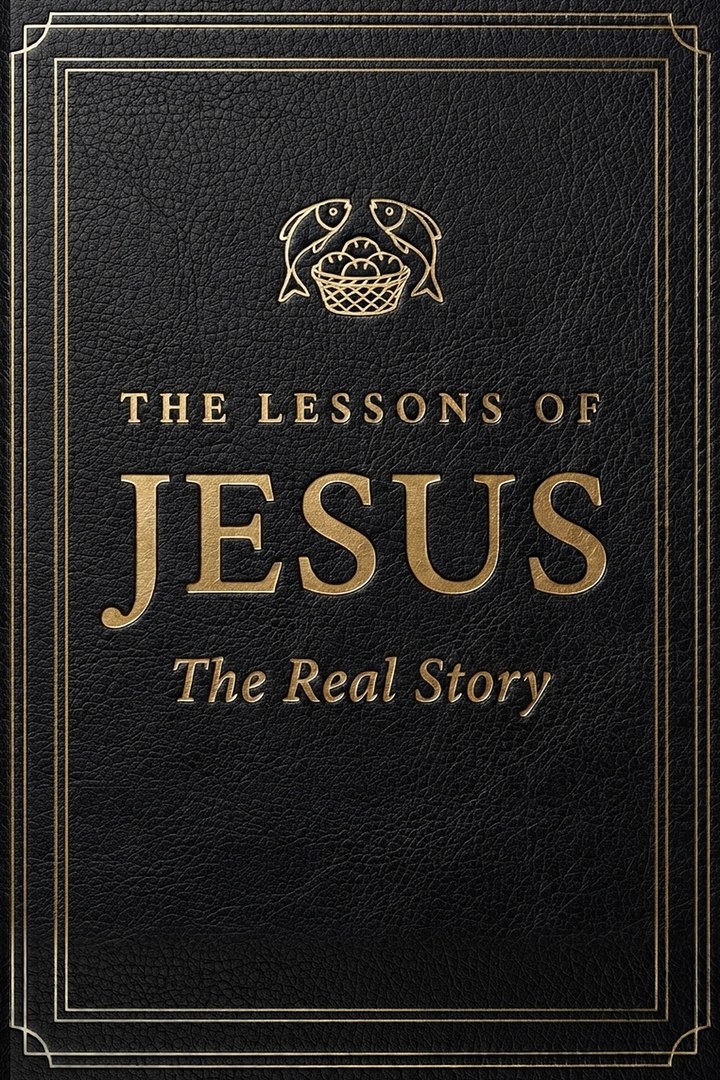 Book OneThe Real StoryForty lessons on what he taught, and what was built on top of it.
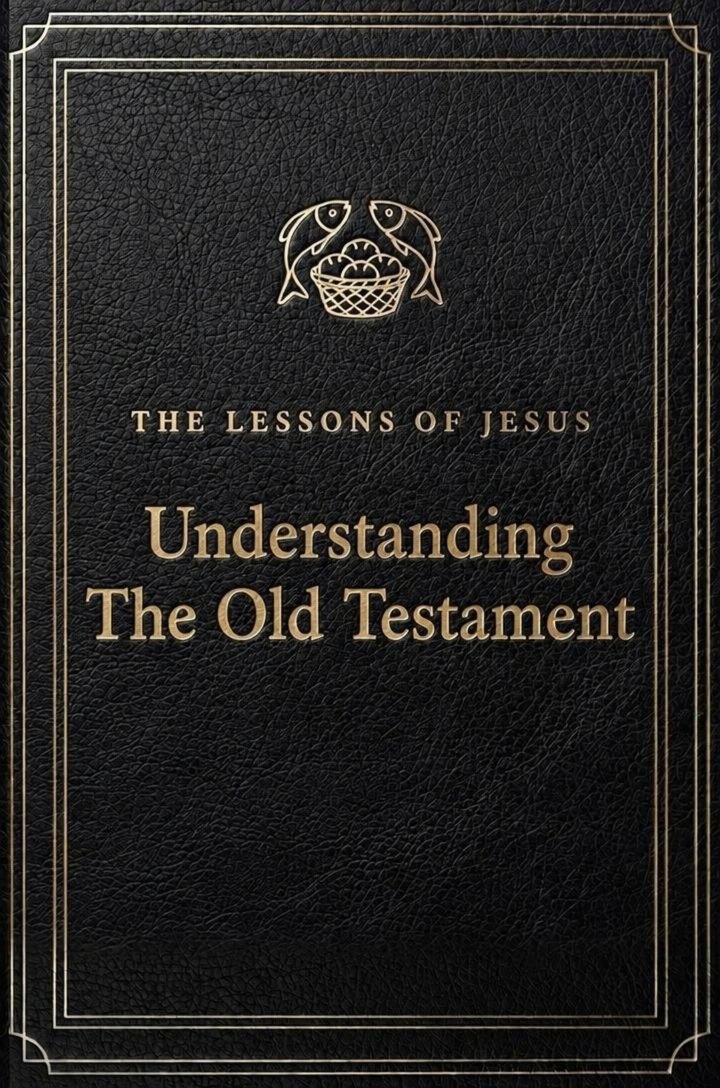 Book TwoUnderstanding the Old TestamentThe scriptures he grew up on, one chapter for every book.
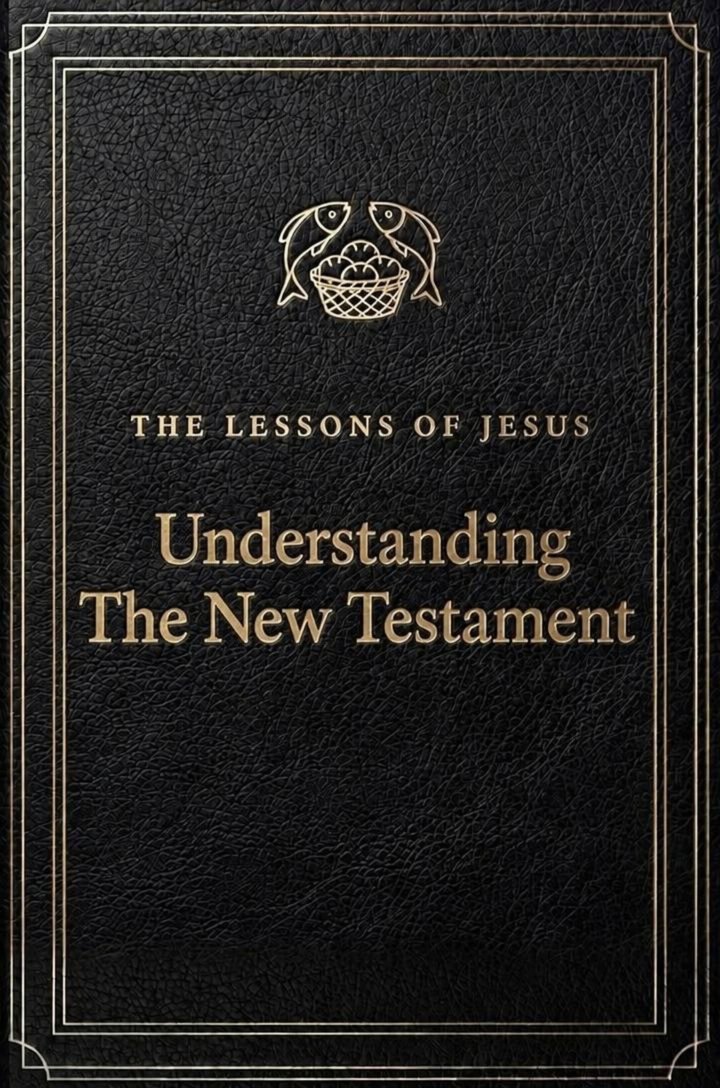 Book ThreeUnderstanding the New TestamentThe books written about him, one chapter for every book.
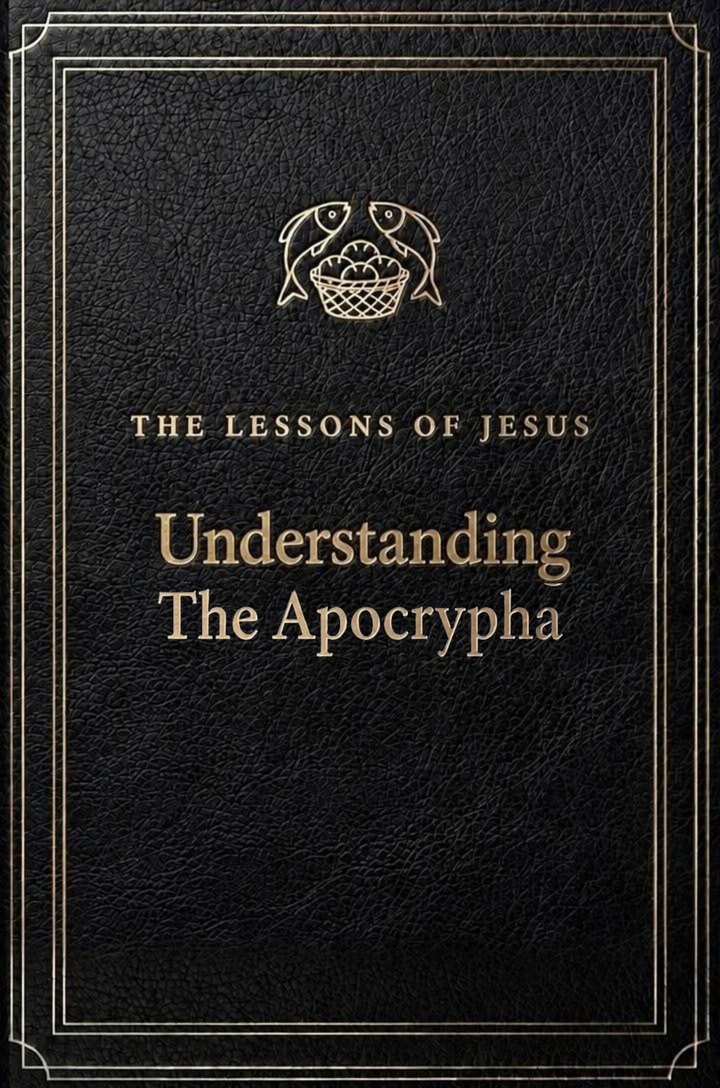 Book FourUnderstanding the ApocryphaThe books your Bible left out, and the lost gospels.
Sources for this page
Every numbered note in the text points here, so nothing has to be taken on trust.
- On eunuchs in the ancient world and Matthew 19:12, see Megan K. DeFranza, Sex Difference in Christian Theology: Male, Female, and Intersex in the Image of God (Grand Rapids: Eerdmans, 2015). ↩
- The Greek words are malakoi and arsenokoitai. The Revised Standard Version (New Testament, 1946) was the first English Bible to use the word homosexuals, combining the two. ↩
- For the traditional reading, see Robert A. J. Gagnon, The Bible and Homosexual Practice (Nashville: Abingdon, 2001). For the revisionist reading, see James V. Brownson, Bible, Gender, Sexuality (Grand Rapids: Eerdmans, 2013). ↩
- See Louis Crompton, Homosexuality and Civilization (Cambridge, MA: Belknap Press of Harvard University Press, 2003); John Boswell, Christianity, Social Tolerance, and Homosexuality (Chicago: University of Chicago Press, 1980), whose conclusions are much debated; Bernadette J. Brooten, Love Between Women (Chicago: University of Chicago Press, 1996), on ancient ideas of lifelong same-sex desire; and Michel Foucault, The History of Sexuality, vol. 1 (1976), on the late-nineteenth-century idea of the homosexual as a kind of person. ↩
- The Episcopal Church (General Convention, 2015), the Presbyterian Church (U.S.A.) (amendment ratified 2015), the Evangelical Lutheran Church in America (Churchwide Assembly, 2009), and the United Methodist Church (General Conference, 2024). ↩
- Council on Biblical Manhood and Womanhood, Nashville Statement (August 2017), Article 7. ↩
- Public Religion Research Institute, American Values Atlas (2024 data), reported March 2025. ↩
- The phrase is usually traced to Augustine, Letter 211, which speaks of love for persons and hatred of vices (cum dilectione hominum et odio vitiorum). It does not appear in the Bible. ↩