Questions people ask · Money
What did Jesus say about work and wages?
I worked with my hands for most of my life. In one of my stories, the men hired at the last hour got a full day’s pay.
At a Glance
What I said: The laborer is worthy of his wages (Luke 10:7). I told a story of a landowner who paid every worker a full day’s wage, even those who came at the end of the day, because no one has hired us (Matthew 20:7).
What the rest of the Bible says: Pay a worker the same day, before the sun goes down, for he is poor and sets his heart on it (Deuteronomy 24:15). God is a witness against those who oppress the hireling in his wages (Malachi 3:5).
When today’s view appeared: The idea that success shows God’s favor, and that poverty shows laziness, is old, but it spread widely after the Reformation. The idea that a wage should be enough to live on was put into church teaching in 1891.
The short answer: I never praised a man for how much he earned. I asked whether the people who worked for him could feed their families.
I was a worker.
Before I began to teach, I worked with my hands. My neighbors in Nazareth said so when I came back to preach: Isn’t this the carpenter, the son of Mary? (Mark 6:3). The Greek word means a builder, someone who worked with wood or stone.1 I knew what it was to be paid by the job, to wait for payment, and to need it.
Most of my friends were working men too: fishermen with their own boats and hired hands (Mark 1:20), a tax collector, farmers. My stories are full of workers: sowers, vinedressers, shepherds, day laborers, stewards, servants.
The vineyard
The story I told about work is the one that makes people angry.
A landowner went out early in the morning to hire laborers for his vineyard, and agreed to pay them a denarius a day, a normal day’s wage. He went out again at nine, at noon and at three, and hired more. At five in the afternoon he found others still standing in the marketplace. Why do you stand here all day idle? Because no one has hired us. He sent them in too (Matthew 20:1–7).
At the end of the day he paid everyone, starting with the last. They each got a denarius. The ones who had worked since dawn expected more, and got the same, and grumbled: These last have spent one hour, and you have made them equal to us, who have borne the burden of the day and the scorching heat! (Matthew 20:12).
And the landowner said: Friend, I am doing you no wrong. Didn’t you agree with me for a denarius? … It is my desire to give to this last just as much as to you … Or is your eye evil, because I am good? (Matthew 20:13–15).
It is a story about God’s kingdom, and God’s generosity. But look at what I chose to show it. The men at the end of the day were not lazy. No one has hired us. They had stood in the square all day, waiting. A denarius was about what a family needed to get through a day. The landowner paid them what they needed, not what a clock said they had earned.
What else I said
When I sent my friends out to preach, I told them to accept food and shelter from those who took them in, for the laborer is worthy of his wages (Luke 10:7).
When people asked John the Baptist what they should do, he told soldiers not to extort money and to be content with their pay, and tax collectors to collect no more than that which is appointed to you (Luke 3:13–14). His message was: do not take more than your share.
I told my disciples that among the nations, rulers lord it over those beneath them, But it shall not be so among you, but whoever wants to become great among you shall be your servant (Mark 10:43). And I washed their feet, a slave’s job, on my last night.
What the rest of your Bible says
The law of Moses is direct about wages.
You shall not oppress a hired servant who is poor and needy, whether he is one of your brothers or one of the foreigners who are in your land … In his day you shall give him his wages, neither shall the sun go down on it; for he is poor and sets his heart on it (Deuteronomy 24:14–15). The wages of a hired servant shall not remain with you all night until the morning (Leviticus 19:13).
The law also gave workers rest. Every seventh day, the Sabbath was for the servants and the foreigner as much as for the master, that your male servant and your female servant may rest as well as you (Deuteronomy 5:14).
The prophets named wage theft as a sin against God. Woe to him who builds his house by unrighteousness … who uses his neighbor’s service without wages (Jeremiah 22:13). God will be a witness against those who oppress the hireling in his wages (Malachi 3:5). And my brother James: the wages of the laborers who mowed your fields, which you have kept back by fraud, cry out (James 5:4).
What came after
For much of history, the church taught that a fair price and a fair wage were matters of justice, not only of the market.2
After the Reformation, a new idea grew. Many Protestants came to treat hard work as a calling from God and idleness as a sin, and some came to see success as a sign of God’s favor. In 1904 and 1905 a German sociologist, Max Weber, wrote about this as the Protestant ethic.3 It built much that was good. It also made it easy to look at a poor man and assume he had earned his poverty.
In the 1800s, factories filled with men, women and children working long hours for little pay. In 1891, Pope Leo XIII wrote a letter to the whole church, Rerum Novarum, saying that a worker’s wage must be enough to support a frugal, hard-working man, and should let him support his wife and children in reasonable comfort, and that workers had the right to form unions.4 Many Protestant preachers of the same years, in what was called the Social Gospel, made the same case.5
In the United States, the federal minimum wage has been 7 dollars and 25 cents an hour since 2009.6
What You’ll Hear Back
“If anyone will not work, let him not eat.”
That is from a letter in Paul’s name, not from me (2 Thessalonians 3:10), and it is about people who are not willing to work. In my story, the men in the marketplace were willing. No one had hired them. The landowner paid them anyway.
“A business owner can pay what the market will bear.”
The landowner in my story said something close to that: Isn’t it lawful for me to do what I want to with what I own? (Matthew 20:15). But look at what he chose to do with it. He used his freedom to be generous, not to pay as little as he could. And the law of Moses did not leave wages entirely to the market. It said when to pay, and it called holding back a poor man’s wage a sin.
“The parable of the talents praises making money.”
In that story, a master gives his servants money to manage, and praises the ones who make it grow (Matthew 25:14–30). Many readers take it to be about using the gifts God gives you, not about investing. Some scholars read it the other way, as a picture of a harsh master in a harsh economy. Either way, it is a story about faithfulness to what you were given. It is not a promise that God rewards the rich.
“Unions and wage laws are politics, not faith.”
How you arrange wages is for you to decide together. But the Bible is not silent about it. Its laws set when to pay and guaranteed a day of rest, and its prophets called wage theft a sin. When churches have spoken up for workers, they were not leaving the Bible behind.
Check It Yourself
Look up: Matthew 20:1–16.
You will find: the workers in the vineyard, why the last ones were standing idle, and what the landowner paid them.
Then read Deuteronomy 24:14–15 and James 5:1–6, and ask what the Bible says about wages held back.
The Short Version
- I was a worker myself, a builder from Nazareth.
- I said the laborer is worthy of his wages, and told of a landowner who paid the last workers a full day’s pay.
- The law of Moses said to pay a poor worker the same day, and gave every worker a day of rest.
- The prophets and my brother James called wage theft a sin against God.
- The idea that poverty proves laziness is not in my teaching.
Go deeper
Every part of this answer has a longer history behind it, in the books. Here is where to find it.
Four free books, in the same voice
Each one stands on its own. None of them asks for anything.
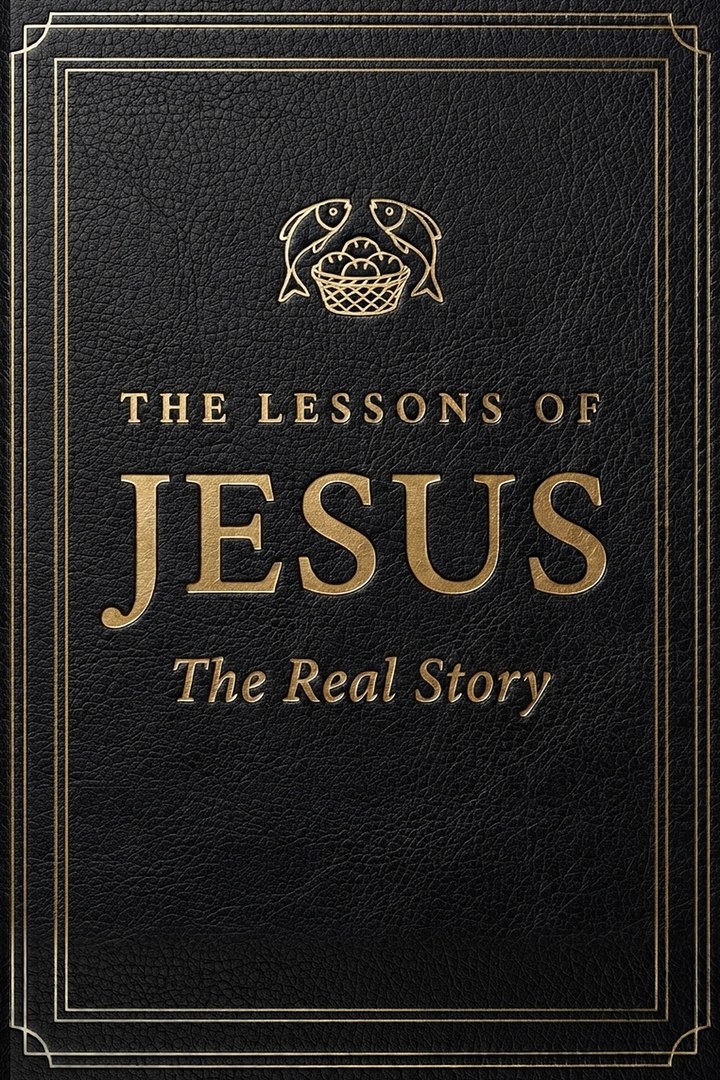 Book OneThe Real StoryForty lessons on what he taught, and what was built on top of it.
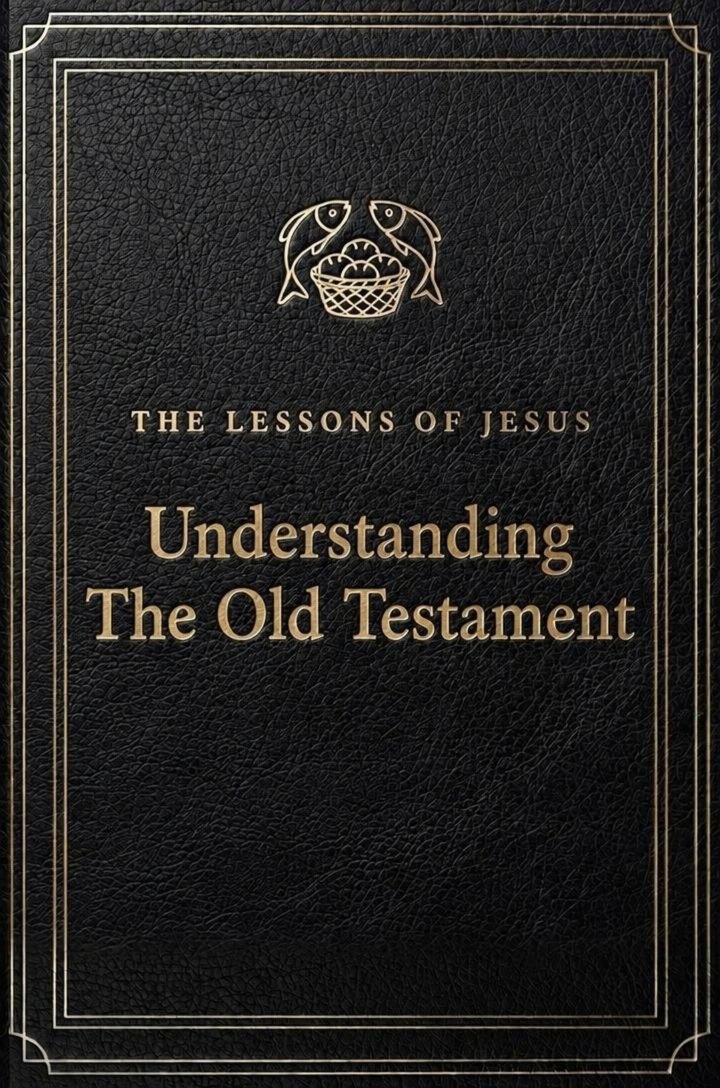 Book TwoUnderstanding the Old TestamentThe scriptures he grew up on, one chapter for every book.
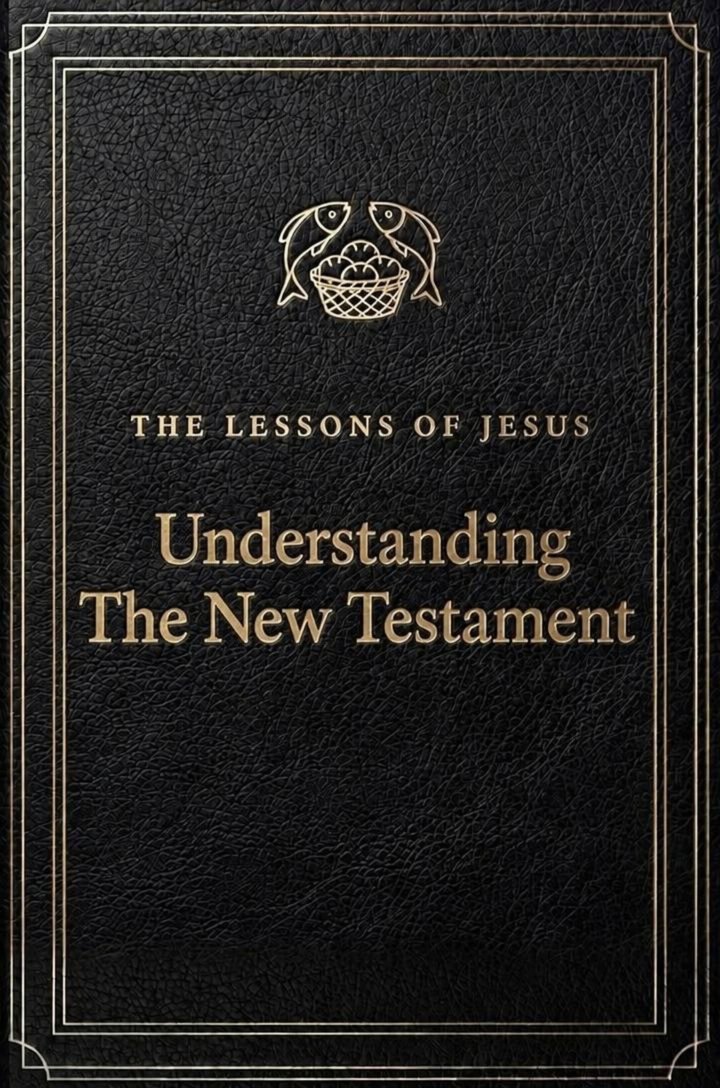 Book ThreeUnderstanding the New TestamentThe books written about him, one chapter for every book.
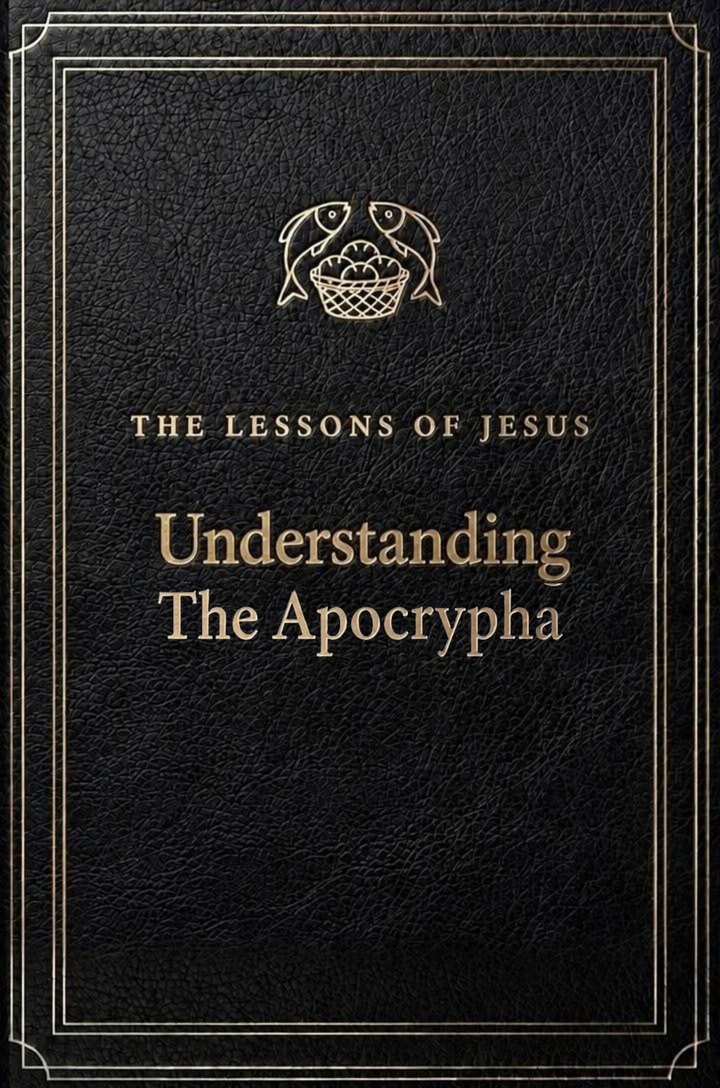 Book FourUnderstanding the ApocryphaThe books your Bible left out, and the lost gospels.
Sources for this page
Every numbered note in the text points here, so nothing has to be taken on trust.
- The Greek tektōn in Mark 6:3 can mean a carpenter or, more broadly, a builder in wood or stone. See John P. Meier, A Marginal Jew, vol. 1 (New York: Doubleday, 1991), chapter 9. ↩
- On medieval teaching about the just price and just wage, see Odd Langholm, The Legacy of Scholasticism in Economic Thought (Cambridge: Cambridge University Press, 1998). ↩
- Max Weber, The Protestant Ethic and the Spirit of Capitalism (published in two parts, 1904–1905). His thesis is still debated. ↩
- Pope Leo XIII, Rerum Novarum (May 15, 1891), paragraphs 20 and 45–46 on wages and 49–51 on workers’ associations. ↩
- See Walter Rauschenbusch, Christianity and the Social Crisis (1907). ↩
- U.S. Department of Labor: the federal minimum wage of $7.25 an hour has been in effect since July 24, 2009. ↩